Answer Engine Optimization (AEO) is the practice of structuring your content so AI-powered answer engines cite it directly in their responses. Unlike traditional SEO, which chases keyword rankings, AEO targets user intent by delivering precise, conversational answers machines can easily extract and synthesize. With AI Overviews now appearing in 47% of search queries and ChatGPT processing over 10 million daily, you can't afford to ignore this shift. Keep exploring to master every factor that determines whether AI picks your content or your competitor's.
Key Takeaways
- AEO (Answer Engine Optimization) structures content for AI-powered answer engines, prioritizing visibility in AI-generated responses over traditional search rankings.
- Unlike SEO, AEO targets user intent by crafting direct, conversational answers rather than optimizing for keyword density.
- AI Overviews appear in 47% of searches, making AEO essential as user behavior shifts toward expecting immediate answers.
- Effective AEO leads with the answer within two sentences, uses question-based headers, and keeps paragraphs focused on one idea.
- AI engines prioritize content that matches user intent, demonstrates source authority, stays fresh, and uses structured, semantically clear formatting.
What Is Answer Engine Optimization?
Answer Engine Optimization (AEO) is the practice of structuring and formatting content so that AI-powered answer engines—like ChatGPT, Perplexity, and Google's AI Overviews—can extract and surface it as a direct response to a user's query.
Unlike traditional SEO, which focuses on ranking pages, AEO prioritizes visibility within AI-generated responses.
You're fundamentally optimizing for machines that synthesize information before a user ever clicks a link. This shift demands precise answer formats—concise definitions, numbered steps, and structured data—that align with how AI systems parse and retrieve content.
When you nail these formats, you increase the likelihood of your content being cited directly in AI responses, driving user engagement even in a zero-click search environment.
AEO isn't optional anymore; it's a competitive necessity.
How AEO Differs From Traditional SEO
While traditional SEO focuses on ranking pages for specific keywords, AEO shifts your strategy toward satisfying the intent behind a query—what the user actually needs, not just what they typed.
Instead of optimizing for clicks and rankings, you're crafting direct, conversational answers that AI-driven engines can surface instantly.
This distinction means you're no longer just competing for position one; you're competing to be the answer.
Query Intent vs. Keywords
This distinction matters because answer engines prioritize user expectations over keyword density.
When someone asks, "What's the best time to post on Instagram?" they want a direct, actionable answer—not a keyword-stuffed article buried in links.
AEO requires you to interpret the full meaning behind a query and deliver precise responses that match the user's intent.
Essentially, keywords tell you what people search for.
Query intent tells you what they actually need—and AEO is built entirely around the latter.
Conversational Answers Over Rankings
Traditional SEO optimizes for rankings—it's a visibility game where you climb the search results ladder and hope users click your link.
AEO shifts that goal entirely. Instead of chasing positions, you're crafting conversational answers that AI-powered engines deliver directly to users.
Here's what that shift demands from your content:
- Match conversational tone — Write answers the way users actually speak, not how search engines historically indexed text.
- Prioritize user engagement — Content that satisfies intent completely keeps users from bouncing back to search for more.
- Structure for direct delivery — Format responses so answer engines can extract and present them without additional context.
Rankings become secondary when your content is the answer.
That's the strategic advantage AEO gives you over competitors still playing the traditional SEO game.
Why AEO Matters More Than Ever Right Now
The numbers tell a compelling story: Google's AI Overviews now appear in roughly 47% of search queries, and ChatGPT processes over 10 million queries daily.
User behavior has fundamentally shifted—people expect direct answers, not a list of links to browse. If your content isn't structured to deliver those answers, you're invisible to a growing segment of your audience.
Content relevance now means more than matching keywords. It means anticipating questions, providing clear responses, and earning citations from AI systems that decide what gets surfaced.
Traditional SEO alone won't cut it anymore. The search landscape is restructuring around answer engines, and businesses that adapt their strategies now will hold a serious competitive advantage over those that don't.
How to Structure Your Content for AEO
Structuring your content for AEO isn't guesswork—it's a deliberate framework built around how AI systems parse, extract, and cite information.
Content clarity and structured answers are your two highest-leverage variables. AI engines prioritize content that's immediately scannable, logically organized, and directly responsive to intent.
Apply these structural principles consistently:
- Lead with the answer. Place your direct response within the first two sentences, not buried in paragraph three.
- Use question-based headers. Format H2s and H3s as actual queries your audience types.
- Keep paragraphs tight. Limit each block to one core idea—AI extracts clean, discrete information, not dense walls of text.
Precision in structure directly correlates with citation frequency across AI platforms.
What Search Engines Look for When Picking an Answer
Once your content is structured for clarity, the next variable is understanding exactly what triggers an AI engine to select one answer over another. Search algorithms evaluate multiple signals simultaneously, and you need to satisfy as many as possible.
Here's what they prioritize:
- Answer relevance — Your content must directly match the user's intent, not just the keyword.
- Source authority — Established domains with strong backlink profiles earn preference.
- Content freshness — Updated information signals accuracy and reliability.
- Structured formatting — Headers, lists, and concise paragraphs improve machine readability.
- Semantic clarity — Clear definitions and logical flow help algorithms extract precise answers.
You don't win by gaming the system. You win by becoming the most accurate, trustworthy, and clearly organized response available.
How Voice Search and AI Are Changing AEO
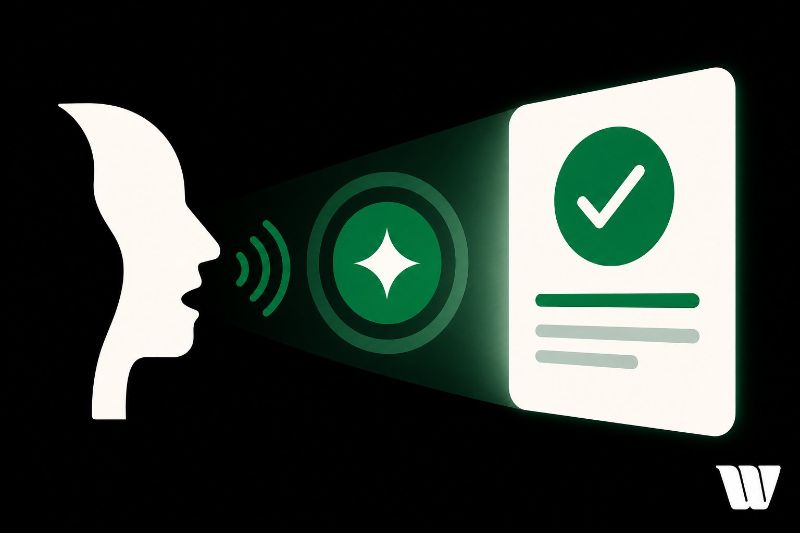
Voice search and AI assistants have fundamentally shifted how people consume information—and that shift is forcing AEO to evolve fast.
With voice technology powering over 50% of searches, conversational interfaces demand answers that are immediate, natural, and context-aware. AI advancements like Google's Search Generative Experience mean engines now synthesize responses—not just retrieve links.
To stay competitive, you need to adapt your strategy around three critical shifts:
- Conversational queries are longer: Optimize for natural language patterns, not short keyword strings.
- AI prioritizes structured clarity: Format content so AI can extract and present it confidently.
- User experience drives selection: Fast-loading, mobile-friendly pages signal trustworthiness to AI systems.
Your content must speak to humans and be understood by machines simultaneously.
AEO Mistakes That Are Killing Your Visibility
Even small AEO missteps can quietly erase your visibility—and most businesses don't realize it until rankings have already slipped. The most damaging AEO pitfalls include ignoring structured data, writing vague answers that sacrifice answer quality for word count, and failing to align content with current search trends.
Visibility issues often stem from optimization errors like keyword stuffing, neglecting mobile formatting, and overlooking voice-search phrasing. These content mistakes signal poor relevance to AI-driven answer engines.
Weak audience engagement metrics—high bounce rates, low dwell time—tell ranking factors algorithms your content isn't solving real problems.
You're not just competing for clicks anymore; you're competing to be the answer. Audit your AEO strategy regularly, fix structural gaps, and prioritize precision over volume.
Frequently Asked Questions
Can Small Businesses Realistically Compete Using AEO Strategies Today?
Yes, you can compete with AEO despite budget constraints. Focus on content quality and precise audience targeting to dominate local competition. Small businesses actually hold an advantage in niche markets where larger brands can't match your authenticity.
How Long Does It Typically Take to See AEO Results?
You'll typically see initial AEO timeline results within 3–6 months. Track AEO metrics like featured snippet appearances and voice search visibility monthly—consistent, optimized content accelerates progress, but sustained authority building drives the most meaningful long-term gains.
Does AEO Require a Completely Different Content Team or Specialist?
You don't need a completely separate team. Your existing content creation specialists can adapt with proper training. Effective team collaboration between SEO strategists, writers, and technical experts drives AEO success without rebuilding your entire workforce.
Which Industries Benefit the Most From Implementing AEO Strategies?
Industries like healthcare, finance, retail, and legal services benefit most from AEO strategies. You'll gain a competitive edge through ecommerce optimization and voice search, especially when customers demand instant, accurate answers to high-intent queries.
Can AEO Efforts Negatively Impact Your Existing Traditional SEO Rankings?
AEO vs. SEO efforts don't have to conflict—when done right, they complement each other. AEO impact can actually boost your traditional rankings by enhancing content clarity, authority, and relevance, strengthening your overall search presence.
Conclusion
AEO isn't optional anymore—it's where search visibility is heading. AI tools, voice assistants, and featured snippets are already pulling answers from structured, authoritative content. If you're not optimizing for those surfaces, you're invisible to a growing share of searchers. Start by auditing your existing content for question-based queries, add structured data, and tighten your answers. The sites winning featured placements aren't lucky—they're deliberate.