A value ladder is a pricing and product structure that guides your customers through a sequence of ascending offers, each delivering greater value at a higher price point. It starts with a low-risk entry point to build trust, then strategically moves buyers toward your highest-tier offers, maximizing lifetime value. Brands like ClickFunnels and Amazon use this framework with proven success. Keep going to discover exactly how to build yours.
Key Takeaways
- A value ladder is a pricing structure that guides customers through ascending offers, each delivering greater value at a higher price point.
- It consists of four stages: awareness, engagement, commitment, and loyalty, each pushing customers toward higher-value offerings.
- The framework builds trust by starting with low-risk entry points before introducing premium offers.
- Real-world examples include ClickFunnels, Amazon Prime, and Beachbody, all using tiered pricing to maximize customer lifetime value.
- Common mistakes include jumping to high-ticket offers too soon and mispricing mid-tier products, creating psychological resistance.
What Is a Value Ladder?
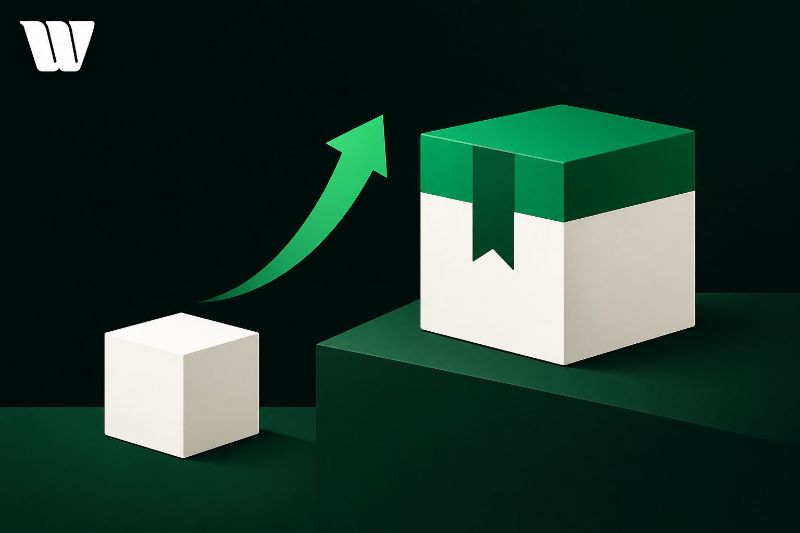
A value ladder is a pricing and product structure that guides customers through a series of ascending offers, each delivering greater value at a higher price point.
It's a strategic framework that maps your value proposition to every stage of the customer journey, ensuring you're meeting buyers exactly where they're financially and psychologically.
Think of it as a staircase—you start customers with a low-risk, low-cost entry point, then systematically move them toward premium offerings as trust deepens.
Each step increases commitment while simultaneously increasing your revenue per customer. Rather than presenting everything at once, you sequence your offers deliberately, maximizing both customer satisfaction and lifetime value.
It's not just smart marketing—it's sustainable business architecture.
The 4 Stages Every Value Ladder Moves Through
Every value ladder moves through four distinct stages that transform strangers into devoted customers.
You start by building awareness, then drive engagement, secure commitment, and finally cultivate loyalty — each stage deliberately pushing customers toward higher-value offerings.
Understanding these stages lets you architect a customer journey that doesn't just generate one-time sales but builds a compounding, long-term revenue engine.
Awareness To Engagement
Most value ladders fail not because the offers are wrong, but because the sequence ignores how buyers actually move through a decision. Your first job is generating awareness — getting the right people to notice you exist. Awareness strategies like SEO content, paid ads, and social proof introduce your brand before you ask for anything.
Once someone's aware, you need to convert that attention into action. Engagement tactics — free resources, email sequences, webinars — pull prospects deeper into your ecosystem. You're not selling yet; you're building trust.
Data consistently shows that buyers who engage with multiple touchpoints before purchasing convert at markedly higher rates. Skipping from awareness directly to a sale breaks the sequence.
Every rung on your ladder must earn the next one.
Commitment And Loyalty
Once trust is established, your value ladder enters its most profitable territory — commitment and loyalty. This stage drives repeat purchases, reduces customer acquisition costs, and transforms buyers into brand advocates.
Your engagement strategies must now shift toward customer retention. Loyalty programs, exclusive memberships, and personalized offers reinforce commitment factors that keep customers returning. Research shows retained customers spend 67% more than new ones.
Trust building techniques don't stop after the first sale. Long term relationships require consistent value delivery, proactive communication, and community belonging.
When customers feel genuinely invested, brand advocacy follows naturally — they refer, review, and promote without incentives.
Structure your value ladder to reward loyalty at every tier, and you'll convert occasional buyers into lifetime revenue assets.
Real-World Value Ladder Examples
The best way to understand a value ladder is to see one in action. Consider how Russell Brunson's ClickFunnels operates: they offer free book value examples, then upsell software trials, then premium coaching. Their ladder strategies move customers through trust levels systematically.
Amazon's business models mirror this — Prime membership grants access to higher engagement tactics, driving 73% more spending per customer.
Fitness brands like Beachbody use pricing tiers starting with free workouts, escalating to full programs, then live coaching.
These customer journeys aren't accidental — they're engineered through deliberate marketing funnels. Each step qualifies buyers and increases commitment before presenting bigger offers.
You'll notice every successful brand uses this framework to maximize lifetime customer value without aggressive selling tactics.
How Each Value Ladder Stage Builds Customer Trust
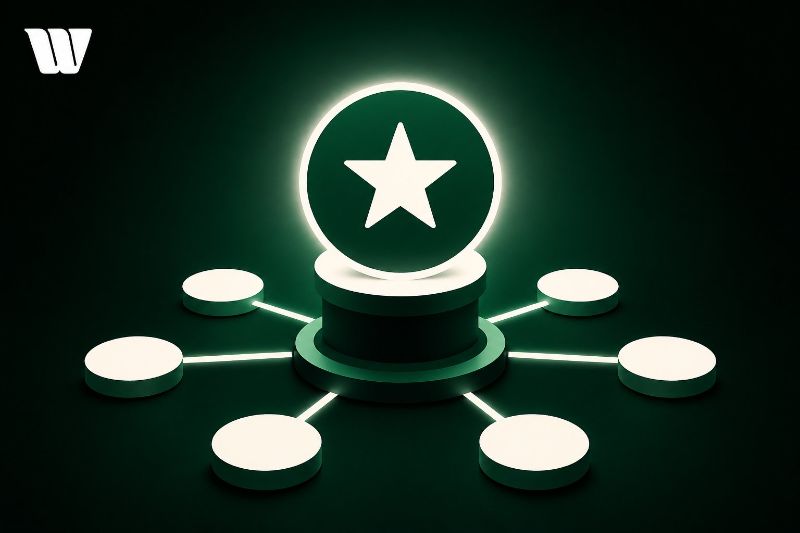
Each stage of your value ladder isn't just a price point—it's a trust checkpoint that moves customers closer to your highest-tier offer.
When you deliver consistent, escalating value at every step, you build credibility that lowers resistance and increases conversion rates at each subsequent stage.
Research consistently shows that customers who progress through structured value stages spend considerably more and churn far less than those who enter at the top without prior engagement.
Building Trust Through Stages
Building trust isn't a single moment—it's a process, and your value ladder is the framework that makes it systematic. Each stage deploys specific trust building techniques that deepen customer engagement before asking for a larger commitment.
Start with low-risk offers that prove your competence. Once customers experience results, they're psychologically primed to trust your higher-tier solutions. Research consistently shows that customers who engage with multiple touchpoints convert at markedly higher rates than those approached with cold, high-ticket offers immediately.
Every stage reduces perceived risk while increasing demonstrated value. Your free content establishes credibility. Your entry offer confirms expertise. Your core product delivers transformation.
Value Ladder Trust Progression
Understanding how trust compounds at each stage separates value ladders that convert from those that stall. Each touchpoint in your customer journey isn't just a transaction—it's a trust-building deposit that pays dividends later.
- Free stage: Prospects evaluate your competence before risking anything. Deliver immediate, tangible value to clear their skepticism threshold.
- Low-ticket stage: Customers test your fulfillment reliability. Exceeding expectations here dramatically increases premium conversion rates—studies show satisfied low-ticket buyers convert at 3-5x higher rates.
- High-ticket stage: Trust has compounded enough that price objections shrink. Customers aren't buying your offer; they're buying their confidence in you.
Map your trust-building milestones deliberately. When you engineer each stage to reduce perceived risk, your customer journey transforms from persuasion into natural progression.
How to Map Your Own Value Ladder
Mapping your own value ladder takes just 4 deliberate steps, and getting them right determines whether your pricing strategy drives conversions or stalls them.
Start with customer segmentation to identify distinct buyer groups. Then apply audience targeting to match each segment with the right offer.
Next, use product differentiation and service enhancement to build clear value gaps between your tiers, reinforcing your market positioning at every level. Deploy promotional tactics strategically to move buyers upward rather than sideways.
Finally, establish feedback loops to continuously measure tier performance and refine your pricing strategies based on real conversion data.
Each step compounds the last. Skip one, and your ladder loses structural integrity. Follow all four, and you create a self-reinforcing ascension system that predictably increases customer lifetime value.
Value Ladder Mistakes That Stall Customers at Every Stage
Even a well-mapped value ladder fails if execution breaks down at the wrong moments. Weak engagement tactics, misaligned pricing strategies, and broken marketing alignment create trust barriers that push customers off the ladder entirely.
Three common pitfalls stall your customer journey at every stage:
- Skipping the trust-building phase — jumping straight to high-ticket offers before customers experience your core value triggers immediate conversion issues.
- Mispricing mid-tier offers — poor pricing strategies create psychological resistance, making upsells feel exploitative rather than logical.
- Ignoring retention challenges — focusing only on acquisition leaves existing customers disengaged, collapsing your long-term revenue structure.
Each mistake compounds the others.
Audit your ladder systematically, identify where customers disengage, and restructure your offers around demonstrated value rather than assumed willingness to pay.
Is a Value Ladder Right for Your Business?
Not every business model benefits equally from a value ladder structure, and deploying one without evaluating your customer acquisition costs, average transaction value, and retention potential can waste more resources than it saves.
Start with a competitive analysis to identify where your pricing strategy creates room for product differentiation. Then map your customer segmentation data against your sales funnel stages to guarantee marketing alignment at each touchpoint.
Strong value perception doesn't happen accidentally—it's engineered through precise audience targeting and deliberate offer sequencing. If your margins support multiple price points and your customers demonstrate clear upgrade behavior, a value ladder likely fits.
If your audience targeting reveals single-purchase intent with minimal loyalty signals, reconsider whether a flatter offer structure better serves your revenue goals.
Frequently Asked Questions
How Long Does It Typically Take to Build a Complete Value Ladder?
You'll typically need 6–18 months to build a complete value ladder, depending on your resources and timeframe considerations. Your implementation strategies should prioritize launching lower-tier offers first, then scaling upward as you gather data-driven insights.
Can a Value Ladder Work for Nonprofit Organizations or Charities?
Yes, you can absolutely apply a value ladder to nonprofits! Start with free resources, then escalate donor engagement through targeted fundraising strategies, converting casual supporters into major donors who'll champion your cause passionately and consistently.
What Software Tools Help Manage and Automate a Value Ladder?
You'll optimize your value ladder using automation tools like HubSpot or ClickFunnels, which streamline sales funnels, track performance metrics, enhance software integration, and refine marketing strategies—ensuring you're guiding customers seamlessly through their journey with powerful analytics tracking.
How Do Refund Policies Affect Customer Progression Through Value Ladder Stages?
Your refund policies directly shape customer trust and reduce risk perception, boosting purchase motivation at each stage. Strong guarantees improve satisfaction levels, drive loyalty retention, and minimize refund impact, encouraging confident progression up your value ladder.
Should Value Ladders Be Adjusted During Economic Downturns or Recessions?
Yes, you should adjust your value ladder during economic downturns. Revisit your pricing strategy to align with shifting value perception—introduce mid-tier options, emphasize ROI-driven messaging, and retain customer progression without alienating budget-conscious buyers.
Conclusion
If you're leaving money on the table with one-off transactions, you already have your answer. A value ladder transforms casual buyers into committed clients by matching your offers to where they are in their journey. Start simple, build trust deliberately, and scale each stage with intention. The businesses that win long-term aren't selling harder—they're structuring smarter.