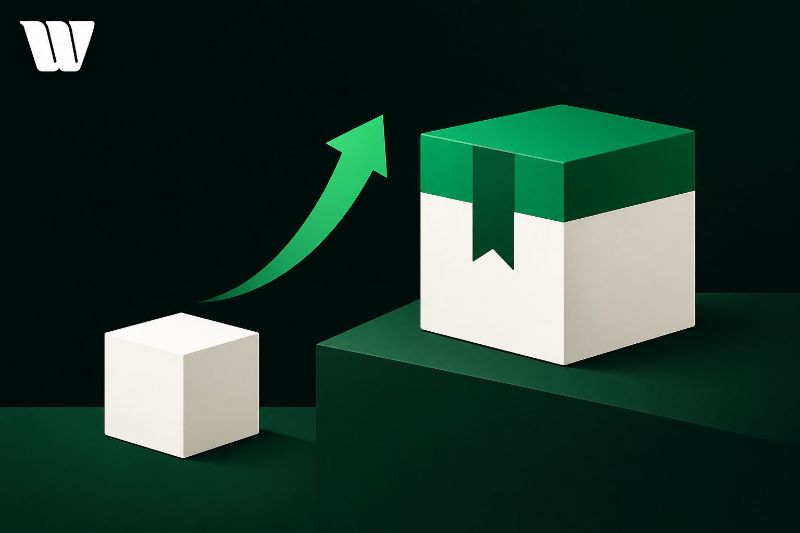
Upselling is a sales technique where you encourage customers to purchase a higher-tier product or upgrade instead of their original selection. You're not pressuring them — you're presenting genuine value that justifies the additional spend. It's one of the most efficient revenue strategies available, with a 60-70% success rate among existing customers. Done right, it builds trust and compounds customer lifetime value. Keep going to discover exactly how to make it work.
Key Takeaways
- Upselling is a sales technique that encourages customers to purchase higher-tier products or upgrades by presenting genuine, added value.
- Unlike cross-selling, upselling focuses on increasing the value of a single transaction rather than expanding it with complementary products.
- Effective upselling positions the seller as a trusted advisor, building long-term customer relationships rather than applying purchase pressure.
- Timing matters: upselling works best when customers are committed to a product category but haven't yet maximized their selection.
- Upselling existing customers has a 60-70% success rate, making it a highly efficient revenue-growth strategy for businesses.
What Upselling Actually Means in Sales
Upselling is a sales technique where you encourage a customer to purchase a higher-tier product, an upgraded version, or additional features beyond what they originally intended to buy.
It's not about pressuring customers — it's about presenting genuine value at the right moment. When executed correctly, upselling becomes one of the most effective sales strategies for increasing revenue without acquiring new customers.
Research shows that selling to existing customers carries a 60-70% success rate, compared to 5-20% for new prospects. By integrating upselling into your customer engagement approach, you're maximizing the lifetime value of every interaction.
You're also building trust by positioning yourself as a knowledgeable advisor who understands what customers truly need, not just what they initially asked for.
How Upselling Differs From Cross-Selling
When you upsell, you're encouraging a customer to buy a higher-tier version of the product they're already considering, while cross-selling prompts them to add complementary products to their purchase.
The distinction matters strategically: upselling increases the value of a single transaction, whereas cross-selling expands the transaction's scope.
Knowing when to deploy each tactic — based on customer intent, purchase stage, and product fit — directly impacts your average order value and long-term revenue performance.
Defining Each Sales Tactic
Both tactics share the same goal—increasing revenue—but they operate on fundamentally different principles.
Upselling encourages customers to upgrade their current selection, leveraging buyer psychology to position premium options as superior value. Cross-selling introduces complementary products, expanding the transaction by addressing broader client needs.
Understanding customer behavior is critical when deploying either strategy. Upselling demands deep product knowledge—you need to articulate why the higher-tier option delivers measurable advantages.
Cross-selling requires relationship building and awareness of market trends to recommend relevant add-ons that genuinely solve problems.
Both sales strategies drive revenue growth when executed strategically, but misapplying them damages trust.
Use upselling to enhance value within a single purchase decision. Use cross-selling to broaden the solution you're offering across multiple product categories.
Key Differences Explained
Knowing the difference between these two tactics isn't just academic—it directly shapes how you structure offers, time conversations, and measure success.
Upsell strategies focus on upgrading a single purchase—pushing higher-tier versions that align with client needs. Cross-selling leverages product bundling to expand the transaction horizontally. Both drive revenue growth, but they require distinct sales training approaches.
Upselling deepens value within an existing category; cross-selling broadens it across categories. Market trends show that upselling typically yields stronger customer retention because it reinforces brand loyalty by solving the customer's core problem better.
Cross-selling introduces variety but risks diluting focus. Understanding which tactic fits each scenario isn't optional—it's fundamental to building a sales strategy that consistently converts and scales.
When To Use Each
Three factors determine whether upselling or cross-selling fits a given moment: the customer's intent, their position in the buying journey, and the complexity of their needs.
Use upselling strategies when a customer has already committed to a product category but hasn't maximized their selection. Early-stage buyers respond well to upgrades because they're still evaluating value. Strong customer engagement signals—like repeated product page visits or feature comparisons—indicate upgrade readiness.
Reserve cross-selling for customers who've finalized their core purchase. At checkout or post-sale, complementary products feel helpful rather than pushy.
Data supports this sequencing. Upselling works best pre-decision; cross-selling converts better post-decision. Misaligning the timing reduces conversion rates and damages trust.
Match your approach to where the customer actually is, not where you want them to be.
The Psychology Behind Why Upselling Works
Understanding why upselling works starts with recognizing how customers make purchasing decisions—and it's rarely as rational as they think. Customer motivation is driven largely by emotional triggers—status, security, and convenience—not logic. When you increase perceived value through compelling comparisons, buyers justify spending more without hesitation.
Decision fatigue plays a critical role too. Once a customer commits to a purchase, they've already cleared their biggest mental hurdle. That's your window. Buyer confidence is elevated post-commitment, making them more receptive to upgrades.
Trust factors determine whether your upsell lands or backfires. If you've demonstrated genuine product knowledge and positioned yourself as an advisor, urgency cues—like limited availability or time-sensitive pricing—feel helpful rather than manipulative.
Leverage psychology strategically, and upselling becomes a natural extension of serving your customer well.
Upselling Techniques That Won't Make You Sound Pushy
Effective upselling starts with leading genuine value to the customer's specific situation, not your quota.
You need to time your suggestions strategically—research shows customers are most receptive to upgrade offers after they've already experienced a win or confirmed their initial purchase decision.
Before you recommend anything, listen closely to what the customer actually says they need, because a well-placed, relevant upsell converts far better than a generic pitch delivered at the wrong moment.
Lead With Genuine Value
When upselling feels forced, customers notice — and they push back. Your value proposition must come first — always. Research shows customers respond better when upgrades solve real problems rather than pad your revenue.
Build genuine connections by aligning recommendations with what they've already told you they need.
Lead every upsell with:
- Specific benefits tied to the customer's stated goals
- Concrete data showing measurable ROI or improvement
- Comparisons that make the upgrade's advantage immediately clear
- Timing that matches their buying mindset, not your quota
- Personalization that proves you've actually listened
When your recommendation feels like advice rather than a sales pitch, resistance drops. Customers don't reject value — they reject pressure.
Position yourself as a trusted advisor, and the upsell becomes the natural next step.
Time Your Suggestions Wisely
Even the most value-packed upsell will fall flat if you pitch it at the wrong moment. Timing strategies matter as much as the offer itself. Research shows customers are most receptive after they've experienced a win—right after a successful purchase, a positive support interaction, or a milestone achievement.
Watch for signals that indicate customer readiness: repeat purchases, feature requests, or direct questions about expanded capabilities. These behavioral cues tell you the customer is already thinking bigger.
Avoid introducing upgrades mid-frustration or during onboarding, when cognitive load is high and trust is still forming. Instead, anchor your upsell to a moment of momentum.
When you align your suggestion with the customer's natural buying rhythm, acceptance rates climb and the interaction feels consultative, not coercive.
Listen Before Recommending
The fastest way to kill an upsell is to recommend something before you understand what the customer actually needs. Active listening isn't soft skill fluff—it's strategic. When you prioritize effective communication and empathy training, you convert buyer needs into personalized recommendations that actually land.
Before suggesting anything, gather customer feedback by asking targeted questions:
- What's frustrating you about your current solution?
- What outcomes matter most to you right now?
- What's your timeline for seeing results?
- Where are you seeing the biggest gaps?
- What does success look like for you?
This approach drives trust establishment and relationship building simultaneously.
You're not guessing—you're diagnosing. Customers notice when you're listening versus selling, and that distinction determines whether your upsell feels helpful or predatory.
The Right Moment to Make an Upsell Offer
Timing an upsell offer correctly can be the difference between closing a higher-value deal and losing the customer entirely. You need to recognize signals of customer readiness before presenting any upgrade. Watch for moments when a buyer expresses satisfaction, asks about additional features, or confirms their primary decision. These are your green lights.
Effective timing strategies include making your upsell offer after the customer commits to the base purchase, not before. Introducing it too early creates friction and triggers objections. Post-commitment is when buyers feel confident and open to expanding their investment.
Data consistently shows that upsell success rates improve considerably when the offer aligns with the customer's demonstrated needs and emotional state.
Read the room, then act with precision.
Common Upselling Mistakes That Kill the Sale
Upselling fails far more often from avoidable execution errors than from weak offers or poor timing. Without disciplined customer segmentation and sound pricing strategies, even strong offers collapse.
Watch for these critical mistakes:
- Pushing upgrades before establishing baseline value with the customer
- Ignoring purchase history and segmentation data when selecting upsell candidates
- Presenting price jumps without anchoring them to measurable outcomes
- Overwhelming buyers with multiple upgrade options simultaneously
- Upselling after friction points, complaints, or unresolved support issues
Each mistake signals a process breakdown, not a product problem. You're fundamentally asking customers to invest more before you've justified the initial purchase.
Tighten your segmentation criteria, align pricing strategies to perceived value, and restrict upsell attempts to moments of demonstrated customer satisfaction.
Upselling in Action: Examples From Real Businesses
Real businesses that nail upselling don't rely on instinct—they've built repeatable systems around customer behavior, purchase data, and well-timed offers.
These real life examples prove it.
Amazon's "Frequently Bought Together" feature drives roughly 35% of its total revenue.
McDonald's "Would you like fries with that?" remains one of history's most successful strategies, increasing average order value with a single question.
Apple prompts you toward higher storage tiers during checkout, converting hesitation into upgrades through clear value framing.
SaaS companies like HubSpot trigger upsell offers when you hit feature limits—meeting you exactly where friction exists.
Each of these businesses ties upselling to a specific customer moment.
You should do the same: identify the trigger, position the value, and make upgrading feel like the obvious next step.
Frequently Asked Questions
How Does Upselling Affect Long-Term Customer Retention and Loyalty?
When done right, upselling strengthens customer relationships by boosting value perception. You'll see higher retention rates, as customers who buy more feel more invested, making them 60-70% more likely to repurchase from your brand.
Are There Legal or Ethical Regulations Governing Upselling Practices?
Yes, you'll find legal and ethical regulations governing upselling across industries. Consumer protection laws prohibit deceptive tactics, while ethical considerations demand transparency. You must align your upselling strategies with FTC guidelines to avoid penalties and maintain customer trust.
How Do You Train a Sales Team to Upsell Effectively?
Train your sales team by using role-playing exercises to simulate real customer interactions and practicing upsell scripts that highlight value-driven upgrades. You'll build confidence, improve conversion rates, and create consistent, strategic upselling behaviors across your entire team.
What Metrics Should You Track to Measure Upselling Success?
Track your upsell conversion rates to measure how often customers accept offers. Monitor average order value, revenue per customer, and customer feedback scores to strategically identify what's working and optimize your team's approach.
Can Upselling Strategies Differ Across Various Industries or Markets?
Yes, upselling techniques absolutely vary across industries. In retail, you'd bundle products, while in SaaS, you'd offer premium tiers. These industry examples show you must tailor your strategy to your market's unique customer behaviors and needs.
Conclusion
You've now got the full picture of what upselling means in sales and how to execute it strategically. The data is clear: upselling existing customers costs five times less than acquiring new ones. Stop leaving revenue on the table by ignoring upgrade opportunities. Apply the right technique at the right moment, avoid the common pitfalls, and you'll consistently increase average order value without damaging customer trust.